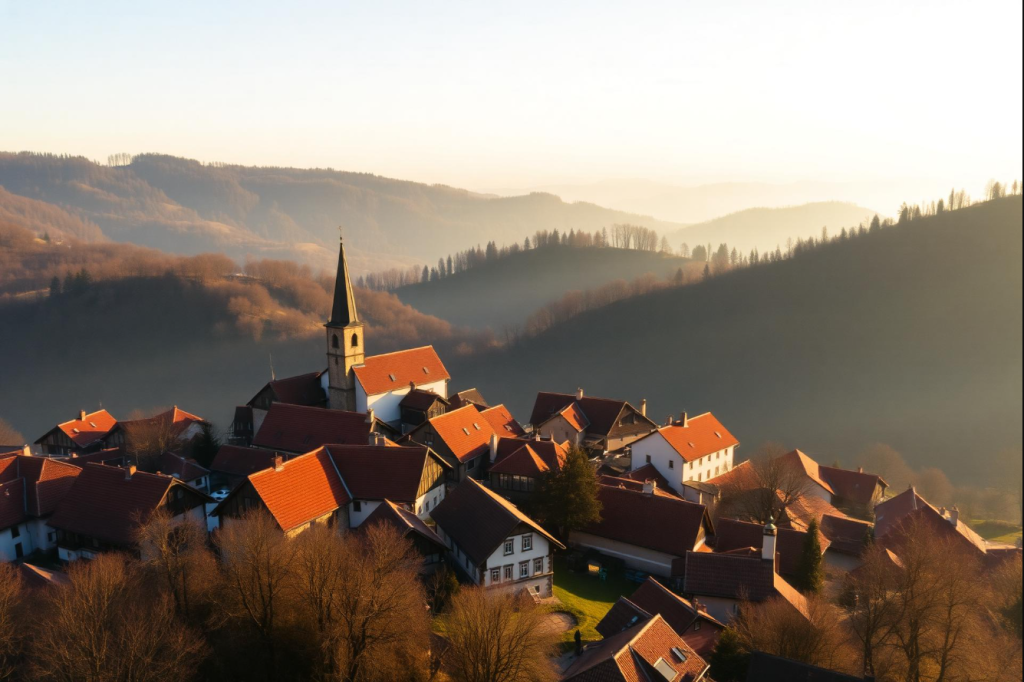
Traditional Romanian Food Guide
What to eat in Romania — regional dishes, everyday food culture and how to order with confidence.
Romanian food reflects geography, history and household traditions. It is shaped by mountain villages, fertile plains, Danube waterways and centuries of exchange with neighbouring cultures. A single dish can appear on a family table, a mountain guesthouse menu and a city bistro, and each version may look and taste different.
Travelers usually meet Romanian food in fragments: a soup at lunch, a bakery stop between sights, a slow dinner in a traditional restaurant or a plate of cheese in a village. Understanding how these fragments connect matters more than memorizing a definitive list of dishes.
This guide focuses on what you are most likely to encounter, how food and setting influence the experience, and how to include Romanian food meaningfully in a wider trip.
Use famous dishes as an introduction, not as the complete definition of Romanian cuisine.
Romanian Food at a Glance
A high-level view of the food categories travelers are most likely to meet, and where they usually appear.
- Soups — Ciorbă, clear soups and regional variations. Found in restaurants, guesthouses and home-style meals. Sourness, ingredients and preparation vary significantly.
- Stuffed & slow-cooked dishes — Sarmale and other stuffed or slow-cooked dishes, common at traditional restaurants, celebrations and household cooking. Portions and fillings are not identical everywhere.
- Polenta, cheese & dairy — Mămăligă, cheese combinations and dairy products, most common in rural and mountain areas. Often served as part of a wider meal rather than alone.
- Grilled & hearty food — Mici, grilled meat and simple regional dishes at restaurants, markets and social events. Popular food is not automatically representative of every regional cuisine.
- Spreads, preserves & local products — Zacuscă, eggplant spreads, pickles, jams and syrups from markets, breakfasts and small producers. Availability often depends on season and setting.
- Desserts & baked goods — Papanași, cozonac, plăcinte and regional pastries. Recipes, names and serving styles may differ.
Soups and Ciorbă
Soups are an important part of many Romanian meals, but the word ciorbă does not describe one single recipe. In everyday use, ciorbă often refers to a soup with a sour element — the method used to add that sourness, as well as the base ingredients, varies. Restaurants and households may interpret the same name differently, so two bowls sharing a label can taste quite unalike.
What you might encounter: vegetable-based soups, bean soups (sometimes in a bread bowl), meat-based soups with a lightly sour broth, tripe soup, meatball soup, and seasonal or regional varieties. These are examples, not a definitive list.
Ask what the soup actually contains, how rich or sour it is, and whether it is served with cream, bread or another accompaniment — a short conversation with the server is often more reliable than the English menu label.
Sarmale and Slow-Cooked Dishes
Sarmale are among the best-known foods associated with Romania, but serving style, filling, size and accompaniments can differ. They are usually filled cabbage or vine leaves, prepared slowly; meat-based versions are common, and meat-free versions may be available in some settings. They are often served with polenta, cream or bread.
Slow-cooked food tends to work particularly well in a traditional meal, a guesthouse setting, a colder-season menu or a shared meal with several courses.
“Traditional” does not mean identical everywhere. Judge the meal by preparation, context and quality — not only by whether a famous dish appears on the menu.
Mămăligă, Cheese and Dairy Products
Mămăligă is commonly associated with Romanian food, but its role depends on what accompanies it and where it is served. It may appear alongside cheese or dairy, alongside stews and slow-cooked meals, or as part of more substantial regional combinations — it rarely stands on its own on a restaurant menu.
Romanian cheeses vary considerably in texture, salt level and production style, and many are linked with pastoral and mountain regions. Ask what type of cheese is being served, whether it comes from the region, and whether the dish is a full meal or an accompaniment.
Grilled Dishes and Everyday Meals
Not every meaningful food experience needs to be formal, rural or ceremonial. Mici are a widely encountered grilled food, often served informally at outdoor gatherings, markets and casual restaurants — part of everyday Romanian food culture rather than a formal restaurant statement.
Travelers can learn a great deal from simple lunch menus, bakeries, grills, markets and neighbourhood restaurants. Skipping these settings in favour of only headline restaurants leaves out a large part of how Romanian food actually works.
Spreads, Preserves and Local Products
Markets, breakfasts and small regional shops often reveal foods that do not appear in headline lists of Romanian dishes — zacuscă, eggplant-based spreads, pickles, jams and syrups reflecting seasonality and household preparation. Origin, quality and production scale should be evaluated rather than assumed.
Packaging, refrigeration, transport and customs rules matter when buying food to carry across borders — check the specific rules that apply to your route.
Romanian Desserts and Baked Goods
Desserts can appear in restaurants, bakeries, cafés, guesthouses and festive meals, with major differences in preparation and serving style:
- Papanași — a well-known restaurant dessert that may vary significantly in size, texture, topping and presentation.
- Cozonac — a sweet bread often associated with celebrations and household traditions.
- Plăcinte — pastries or pies that may be sweet or savoury, differing considerably by region and setting.
- Bakery products — local bakeries offer a more everyday perspective than destination restaurants alone, and are often a good early stop on any trip.
Ask about portion size before ordering several desserts for the table.