Maramureș & Northern Romania
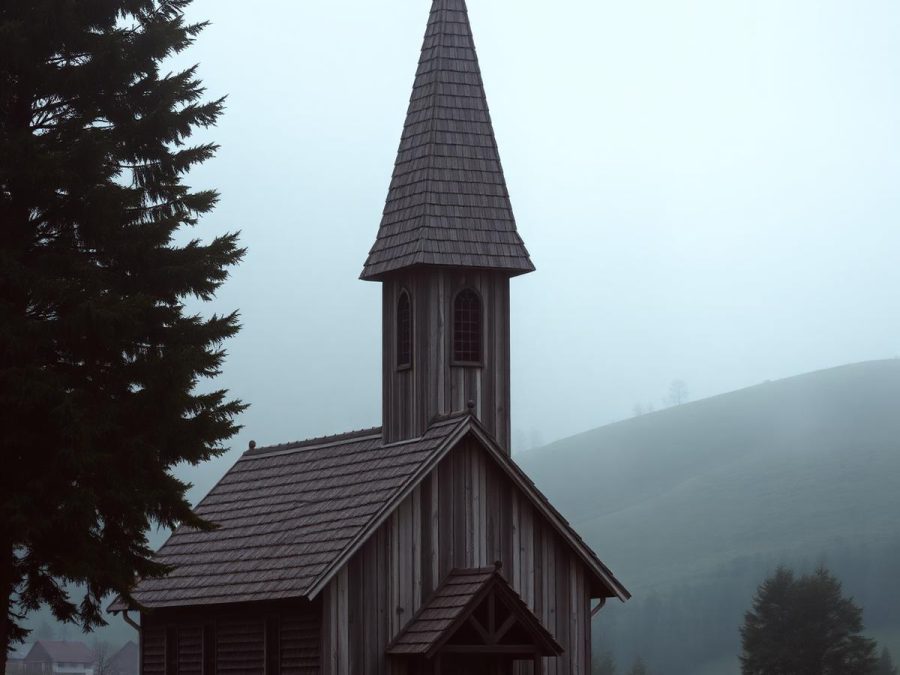
The part of Romania where the old way of doing things is not a performance for visitors. Wooden churches with needle spires, carved gates, and a cemetery that treats death as something to be honest about.
The ones worth planning around
What there is to visit
Everything published in Maramureș & Northern Romania, filterable by what you are interested in.
The Merry Cemetery
A graveyard at Săpânța where every cross is painted blue and carries a rhyme about the person under it — often funny, sometimes brutally frank.
The Mocăniță, Vaser Valley
A narrow-gauge steam railway up a forest valley from Vișeu de Sus — and still a working logging line, not a preserved one.
The Wooden Churches of Maramureș
Eight churches built entirely of timber, with shingle roofs and spires tall out of all proportion to the villages under them. Inscribed by UNESCO in 1999.
Where to base yourself
Towns and cities worth staying in rather than passing through.
The background
Maramureș is in the far north, against the Ukrainian border, and it is the region most often described as the one where time moved slowly. That description is doing a lot of work, but the underlying observation is fair: the crafts here are practised rather than demonstrated, and Sunday still empties the village into the church.
The wooden churches
Around a hundred wooden churches survive in the region, built largely of local oak, with tall, tapering shingled spires that are the region's signature on any skyline. Eight of them are inscribed on the UNESCO World Heritage list as Wooden Churches of Maramureș, listed in 1999: Bârsana, Budești, Desești, Ieud, Plopiș, Poienile Izei, Rogoz and Șurdești.
The eight are the listed ones, not the good ones. Plenty of unlisted churches are just as worth the stop, and are usually empty when you get there.
The gates
The carved wooden gates in front of Maramureș houses are the other thing people remember. The motifs recur — solar discs, the tree of life, the rope, the cross — and they are structural woodwork rather than ornament bolted on. They are also still being made.
The Merry Cemetery
At Săpânța, the village cemetery is filled with painted oak crosses, each carrying a portrait of the person buried beneath it and a short verse about their life — frequently funny, sometimes unsparing, occasionally both.
It began in 1935 with a local craftsman, Stan Ioan Pătraș, who carved the first of them, and it has been continued since. The blue used for the backgrounds is distinctive enough to have its own name locally.
It is often described online as a UNESCO site. It is not — the 1999 inscription covers the eight wooden churches listed above, and the cemetery is not among them. It does not need the badge.
How to do it
This is the most remote of Romania's regions to reach and the least suited to a short trip. Two full days minimum, three if you want the Mocănița narrow-gauge line and the villages of the Iza valley rather than just the headline stops.
Other parts of Romania
Fit this into a trip
The itineraries show how the regions connect — which cities work as a base, what fits in three days, and where a longer trip is worth it.
Prefer to have the route organised for you?
Guided private trips and custom itineraries are arranged externally, with a local driver-guide.
View private tours