Sibiu
A Saxon citadel that became the easiest city in Romania to arrive in cold. Three linked squares, Romania’s oldest museum, and enough within a two-hour drive to fill a week without moving hotel.
- Best for
- First-time visitors, walkers, a base for southern Transylvania
- Suggested time
- 2 days in the city, more if you use it as a base
What there is to see
In and around Sibiu. Filter by what you are interested in.
Brukenthal National Museum
A genuine European picture gallery on the main square, opened to the public in 1817 — the oldest museum in Romania, and one of the first…
Lutheran Cathedral of Saint Mary
The Gothic church on Huet Square, with a 73-metre steeple that is the thing you navigate the old town by.
ASTRA Museum of Traditional Folk Civilisation
Ninety-six hectares of forest with several hundred real buildings moved into it — houses, watermills, workshops, whole farmsteads. Allow half a day and wear proper shoes.
Biertan Fortified Church
Three rings of wall around a church on a hill, a sacristy door with a nineteen-bolt lock, and a room where couples were sent instead of…
The Transfăgărășan
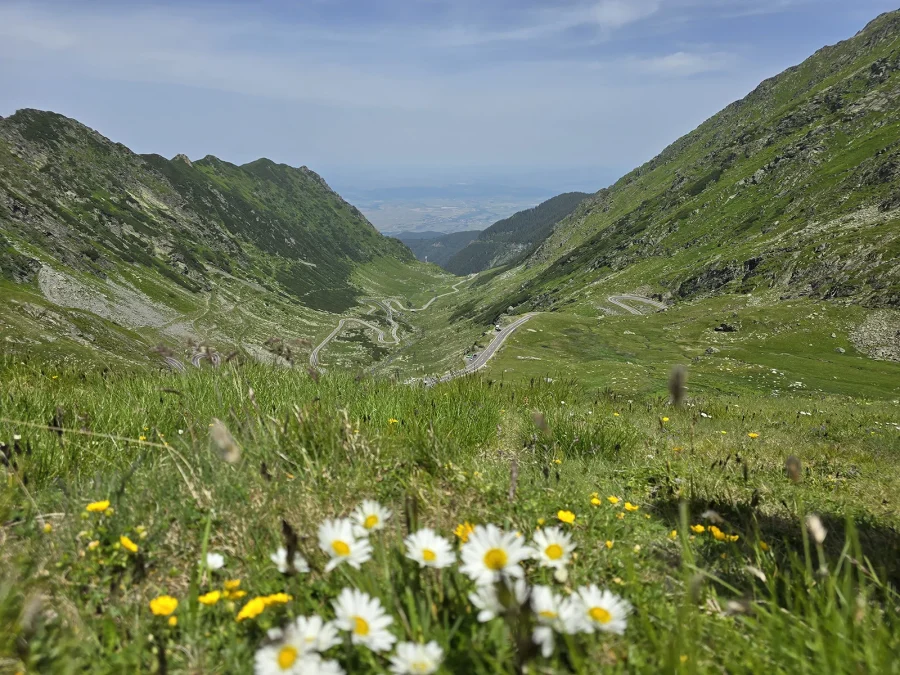
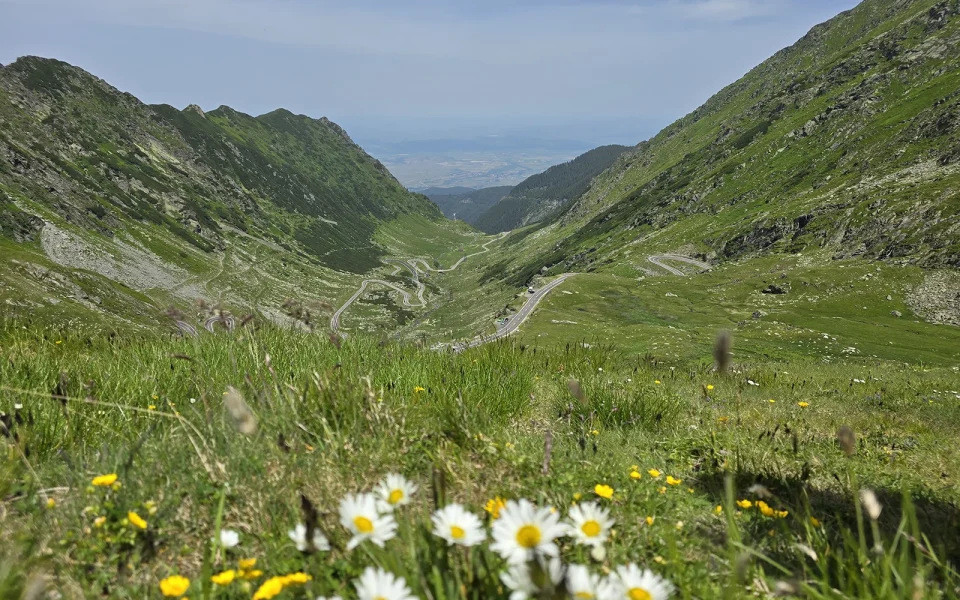
The road over the Făgăraș mountains. Open only in the warm months, closed by snow for the rest of the year — check the current season…
The Council Tower
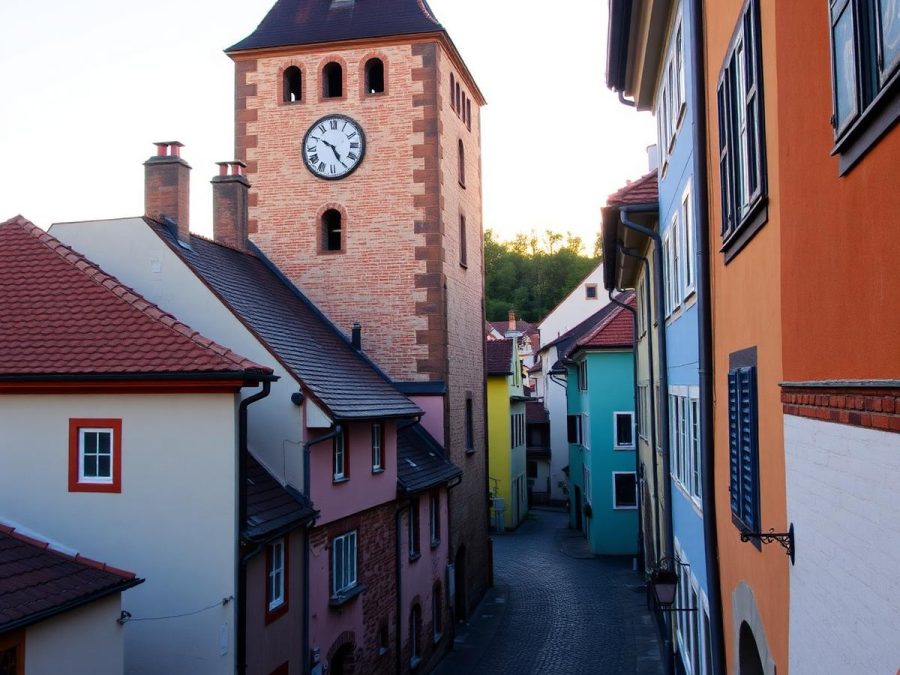
The tower in the gap between the Great Square and the Little Square. It has been a granary, a fire lookout and a prison, and it…
The Bridge of Lies
A small iron footbridge in the Little Square, cast in 1859. The name is a pun that outlived the joke, and the real story is better…
The Great Square
The main square, and the one the rest of the old town hangs off. The Brukenthal palace is on it and the Council Tower leads out…
Viscri Fortified Church
A whitewashed church inside a low fortified wall, in a village that is worth the unsurfaced road it takes to reach it.
Bâlea Lake
A glacial lake at just over 2,000 metres, at the top of the Transfăgărășan. Reachable by car in summer and by cable car when the road…
Routes that include this
Where to go next
The background
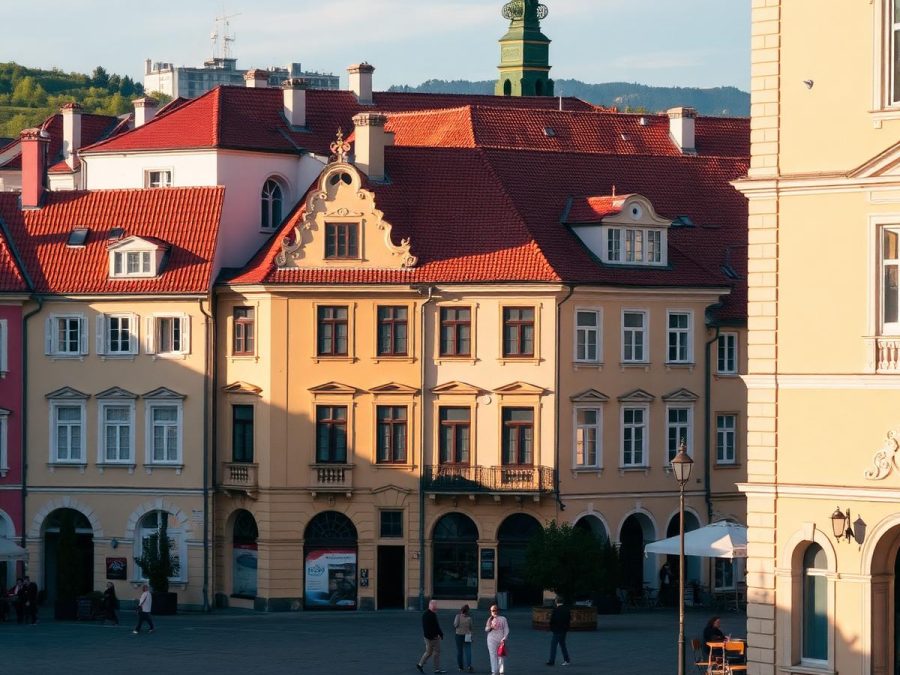
Sibiu is the city most people mean when they say Transylvania is easier than they expected. The historic centre is compact, walkable and almost entirely pedestrian, and the layers that make Romania complicated elsewhere — Saxon, Habsburg, Romanian — sit here in plain sight, next to each other, in about fifteen minutes on foot.
What the city actually is
Sibiu was founded in the twelfth century by German settlers who became known as the Transylvanian Saxons. Its German name is Hermannstadt, and it grew into the largest and wealthiest of the seven fortified towns that gave Transylvania its German name, Siebenbürgen — literally, seven citadels.
That history is the reason the centre looks the way it does. The Saxons built for defence and for trade, and the guild wealth paid for the squares, the towers and the merchant houses that survived. The Saxon population left in large numbers in the twentieth century, and what remains is their architecture, occupied by a Romanian city.
The three squares
The old town is organised around three connected squares, and understanding them is most of understanding Sibiu.
Piața Mare, the Great Square, is the largest and the one to arrive in. It was first recorded as a grain market in 1411 and has been the city’s public stage ever since — assemblies, markets, and for centuries the place where things were decided in public. The Brukenthal Palace and the Roman Catholic Holy Trinity Church both face onto it.
Piața Mică, the Little Square, sits immediately alongside and feels domestic by comparison: lower buildings, arcades, cafés. This is where the Bridge of Lies crosses.
Piața Huet holds the Lutheran cathedral and the older, denser part of the citadel. It is the quietest of the three and the one most people walk through without noticing they have changed square.
Brukenthal
The Brukenthal is the oldest museum in Romania, and among the oldest anywhere in Europe. Samuel von Brukenthal was governor of Transylvania under the Habsburgs, and the palace on Piața Mare was built to hold his collection. Its galleries were opened to visitors in 1790, and the museum was formally established in 1817 — which puts the first of those dates a few years ahead of the Louvre opening its doors to the public.
The collection is a genuine European picture gallery rather than a regional museum: several hundred paintings, a library, and the decorative collections of an eighteenth-century governor who bought seriously.
The ASTRA open-air museum
South of the centre, in forest on the edge of the city, ASTRA is one of the largest open-air museums in Europe. Traditional buildings from across Romania — houses, workshops, mills, a church, working water wheels — were dismantled where they stood and rebuilt here, arranged along paths through the trees.
It takes half a day if you walk it properly, and it is the single best answer to the question of what rural Romania looked like before the twentieth century rearranged it. Go in the morning, and expect to be walking on unpaved paths.
The Bridge of Lies
The small iron footbridge between the two lower squares carries the city’s best-known story: that it will not tolerate a lie told while standing on it, and that a proposal made there will not come to anything. It is a short bridge and a long-lived legend, and it is the most photographed object in Sibiu for reasons that have nothing to do with engineering.
Why it works as a base
Most people use Sibiu as a place to sleep while seeing southern Transylvania, and that is the right instinct. The fortified Saxon villages, the Făgăraș mountains and the Transfăgărășan road are all within reach for a day, and the city itself is small enough that returning to it in the evening does not feel like a commute.
Sibiu was European Capital of Culture in 2007, and the restoration that came with it is why the centre is in the condition it is. That is also why it is busier in summer than its size suggests.
Sighișoara, Biertan and Viscri in a day
The three Saxon villages in one guided day, with a driver who knows which churches are open.
See this day trip