Transylvania
The part of Romania most people come for, and the part that rewards a slow trip most. Three walled towns within two hours of each other, seven UNESCO villages between them, and the Carpathians closing the whole thing in.
What there is to visit
Everything published in Transylvania, filterable by what you are interested in.
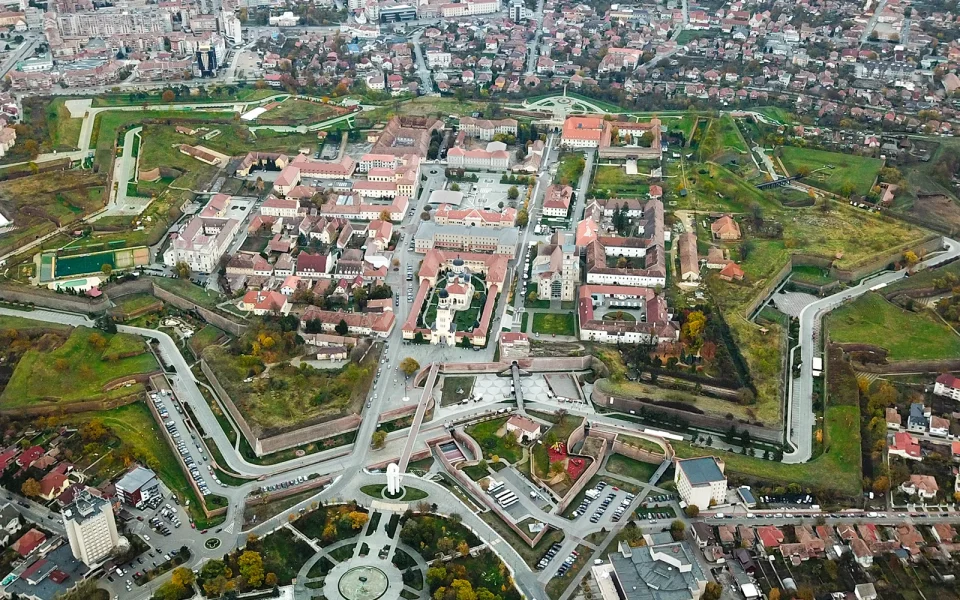
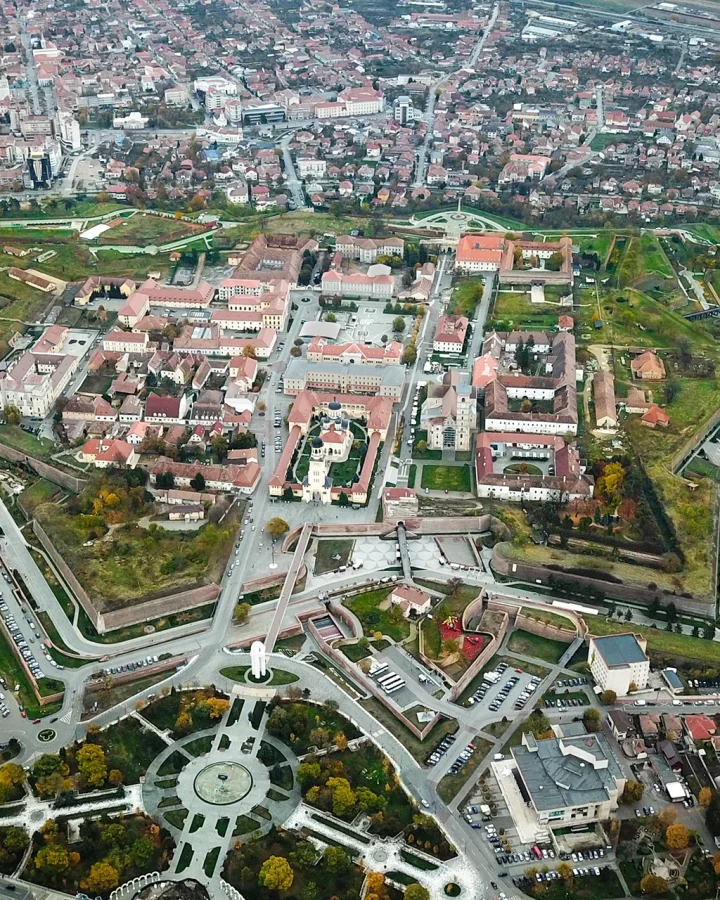
Alba Carolina Citadel
A seven-pointed Habsburg star fort, built 1715–38 on top of a Roman legionary fortress and a medieval citadel.
ASTRA Museum of Traditional Folk Civilisation
Ninety-six hectares of forest with several hundred real buildings moved into it — houses, watermills, workshops, whole farmsteads. Allow half a day and wear proper shoes.
Biertan Fortified Church
Three rings of wall around a church on a hill, a sacristy door with a nineteen-bolt lock, and a room where couples were sent instead of…
Bran Castle
The castle sold as Dracula's, which it never was. Visit it for what it actually is — a 14th-century customs fort on a mountain pass, later…
Brukenthal National Museum
A genuine European picture gallery on the main square, opened to the public in 1817 — the oldest museum in Romania, and one of the first…
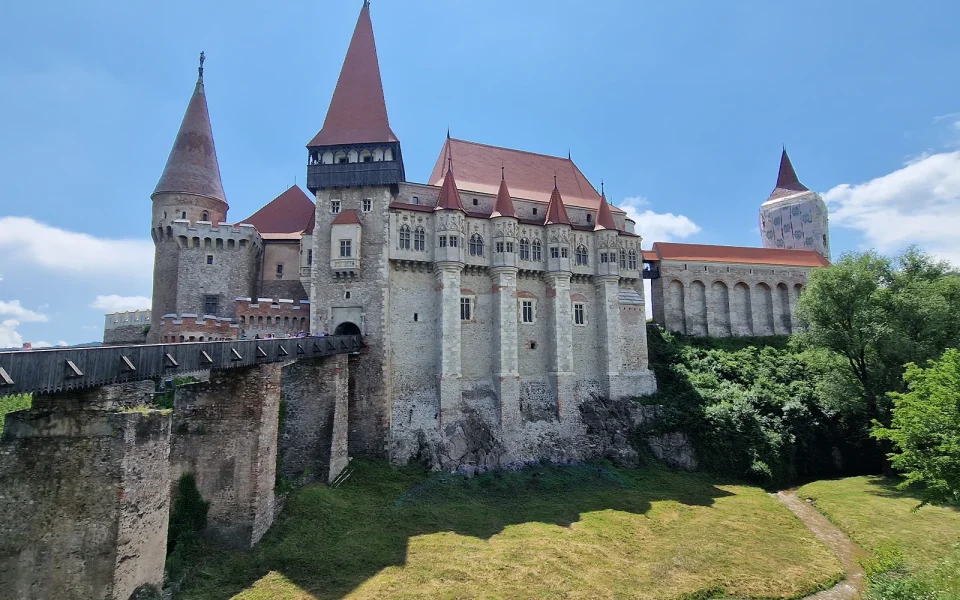
Corvin Castle
The Gothic castle at Hunedoara — towers, a long stone bridge and a hall built by the family that produced a king of Hungary.
Lutheran Cathedral of Saint Mary
The Gothic church on Huet Square, with a 73-metre steeple that is the thing you navigate the old town by.
Mălâncrav Fortified Church
The largest surviving Gothic wall painting in Transylvania, saved by being whitewashed over and found again in 1914.
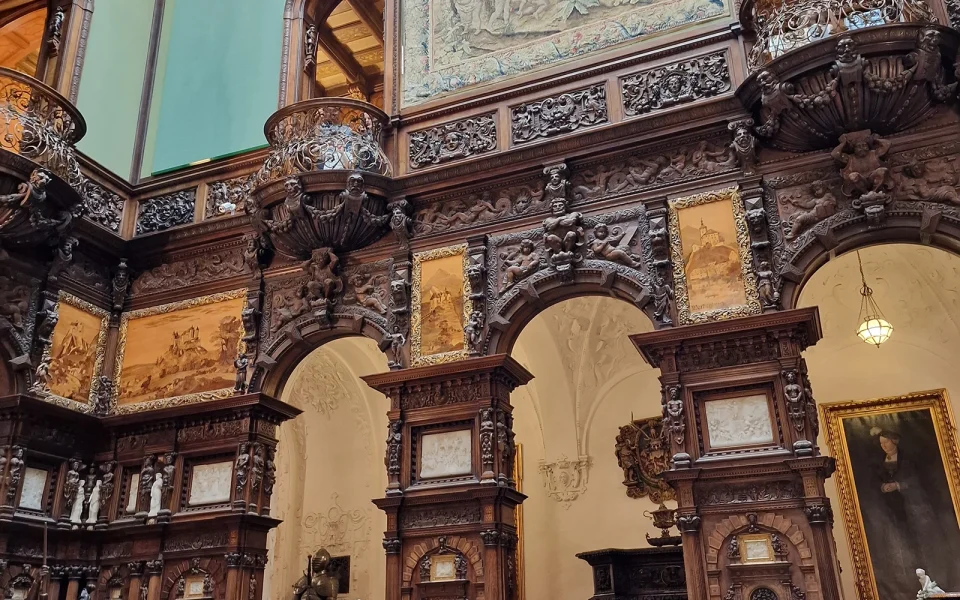
Peleș Castle
A Neo-Renaissance royal residence at Sinaia, built 1873–83, with its own hydroelectric plant. Not medieval, and much more comfortable than anything that is.
Prejmer Fortified Church
A UNESCO fortified church with 272 rooms built into its walls — one per household, for the weeks the village lived inside it.
Sighișoara Citadel
A walled hill town that people still live in, inscribed by UNESCO in 1999. Coloured houses, a clock tower with moving figures, and a covered stair…
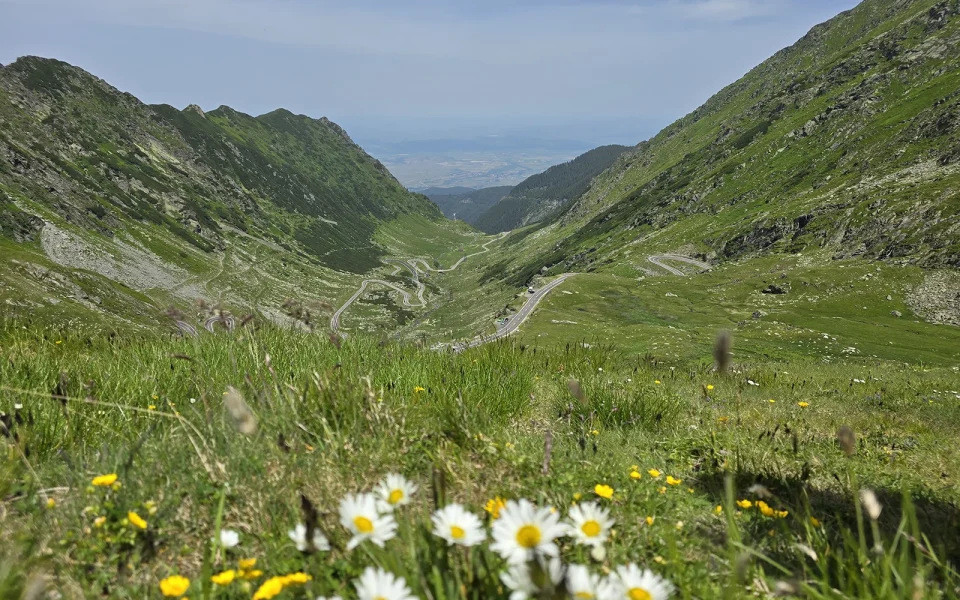
The Transfăgărășan
The road over the Făgăraș mountains. Open only in the warm months, closed by snow for the rest of the year — check the current season…
12 more places are published in this region.
Areas within Transylvania
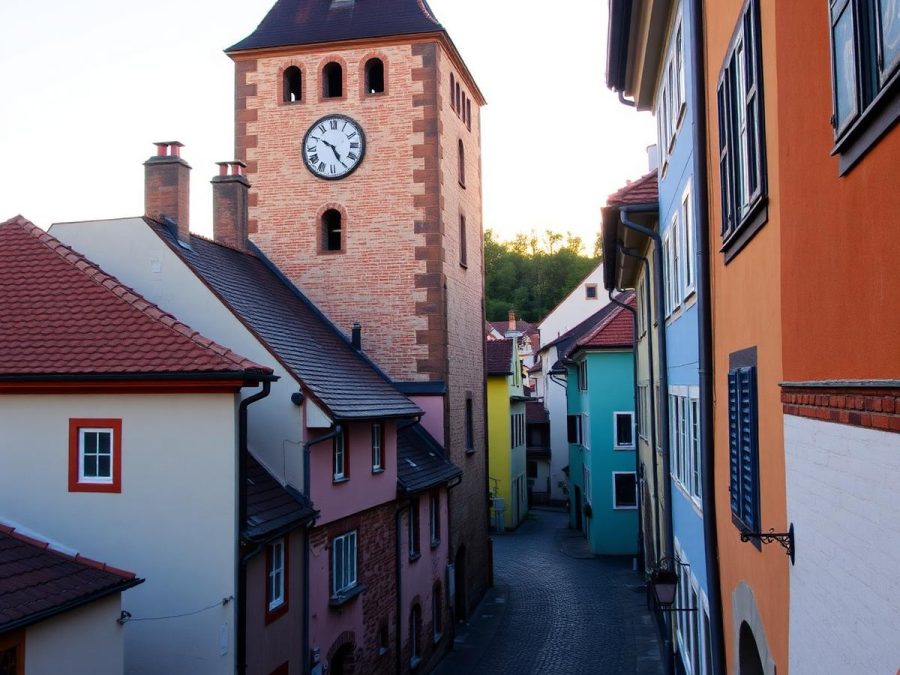
Sighișoara & Saxon Villages
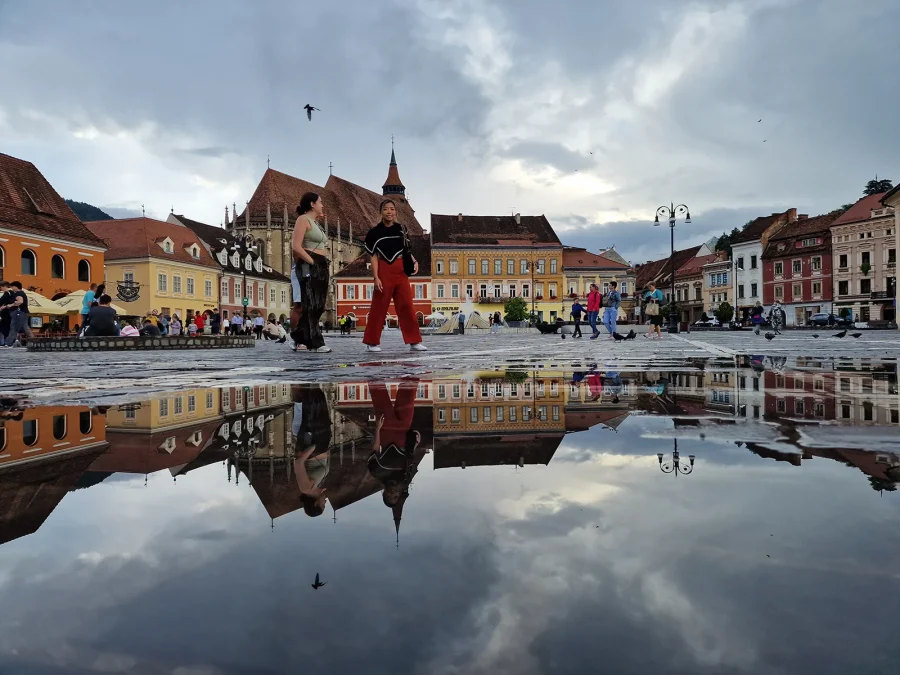
Brașov & Dracula Country
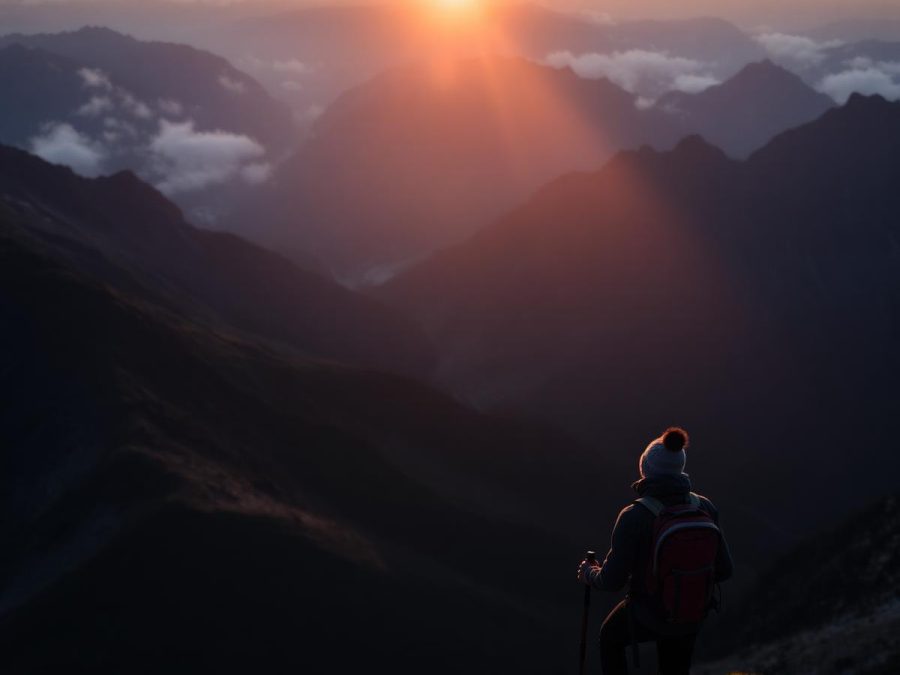
Cluj, Apuseni & Western Transylvania
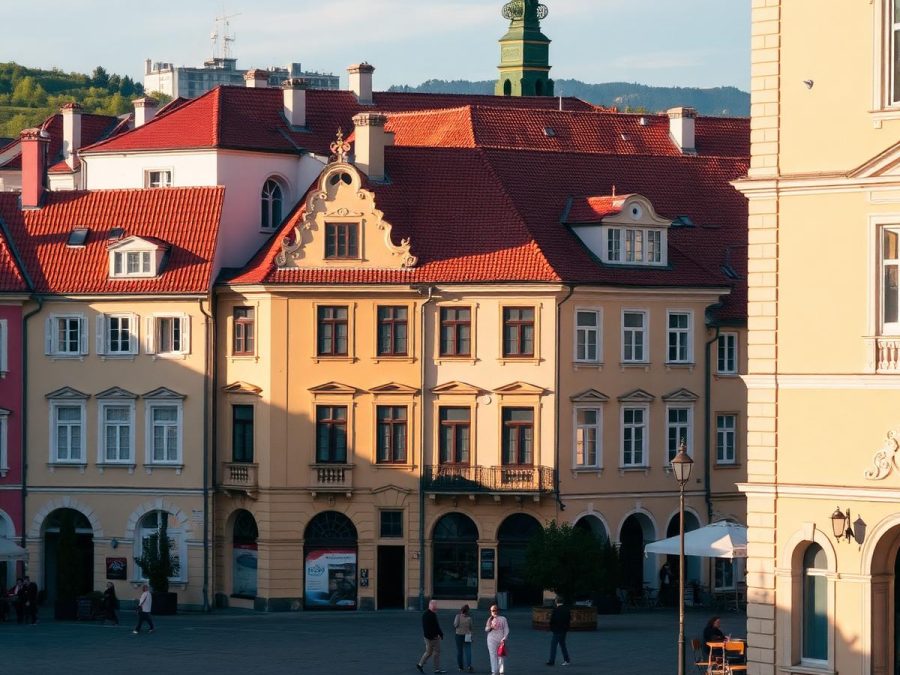
Sibiu & Southern Transylvania
Where to base yourself
Towns and cities worth staying in rather than passing through.
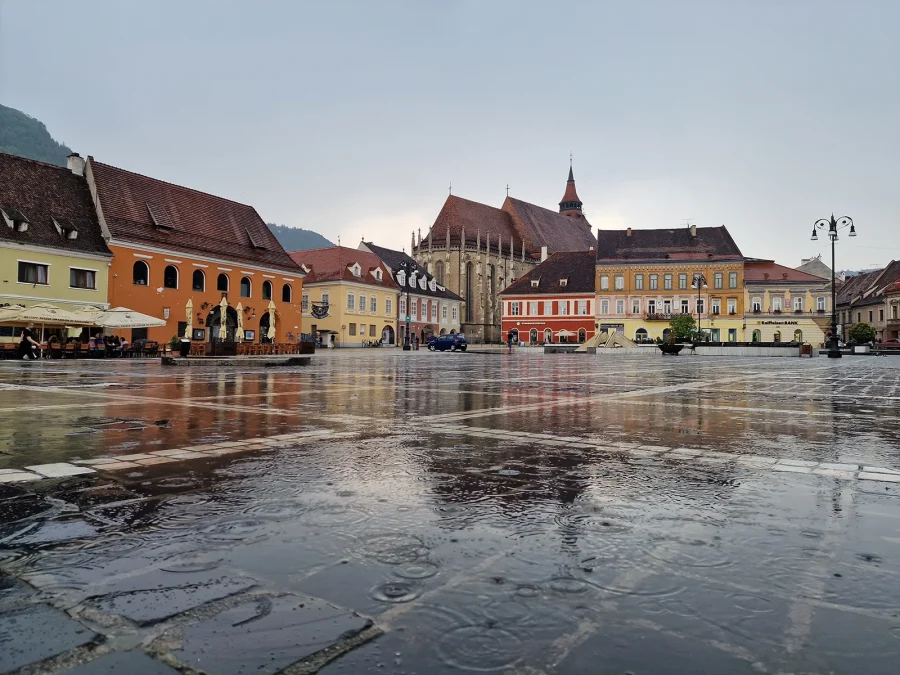
Routes through this area
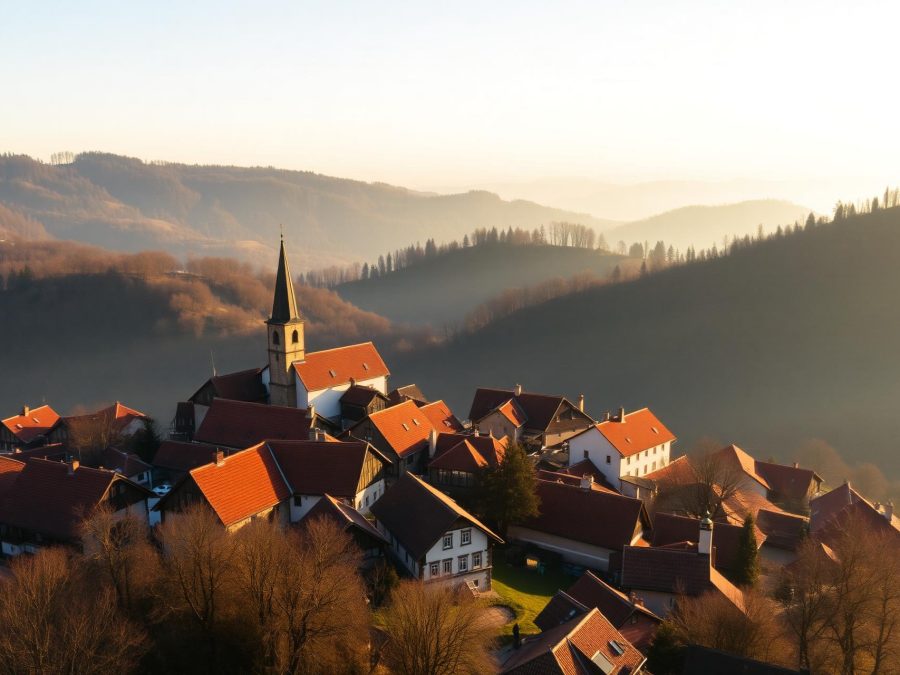
The background
Transylvania is a plateau ringed by mountains in the centre of Romania, and the ring is the reason it looks and feels distinct from everywhere else in the country. The Carpathians curve around it on three sides, which for most of the last thousand years meant that getting in was difficult and staying separate was easy.
Why the towns look German
From the twelfth century the Hungarian crown invited German-speaking settlers into the region to hold and work its southern frontier. They became known as the Transylvanian Saxons, and they built the seven fortified towns that gave Transylvania its German name — Siebenbürgen, seven citadels. Sibiu, Brașov and Sighișoara are the three of those seven that survive best, and the reason each has a walled centre, a guild square and a Lutheran church at the middle of it.
The Saxon population had largely left by the end of the twentieth century. What they built stayed, and it is now the region's principal draw.
The fortified villages
Outside the towns, the Saxons fortified their village churches rather than their villages — ringing the church with walls, storerooms and towers so that a community could withdraw into it when raiders came. Hundreds were built between the thirteenth and sixteenth centuries, and a substantial number still stand.
Seven are inscribed on the UNESCO World Heritage list as Villages with Fortified Churches in Transylvania: Biertan, Câlnic, Dârjiu, Prejmer, Saschiz, Valea Viilor and Viscri. Biertan was inscribed on its own in 1993; the other six were added as an extension in 1999.
They are a selection, not the total. Part of the pleasure of driving the Saxon villages is that the unlisted ones are often empty, and you will have the churchyard to yourself.
The three towns
Sibiu is the easiest to arrive in and the best base — a compact pedestrian centre built around three linked squares, with Romania's oldest museum on the main one.
Brașov sits directly beneath the mountains, which gives it the most dramatic setting of the three and puts Bran and Peleș within an easy day.
Sighișoara is the smallest and the most intact: a hill citadel of coloured houses inside its walls, with a covered wooden stair up to the church on the hill. The house on the citadel square is traditionally identified as the birthplace of Vlad III, the prince the Dracula story borrowed a name from.
The mountains
The Carpathians are not scenery here, they are the boundary. The Făgăraș range carries Romania's highest peaks and the Transfăgărășan, the mountain road that draws most of the summer traffic. Piatra Craiului is the ridge walk. Both are genuine mountain environments with genuine mountain weather, and the high road is seasonal.
How long it takes
Three days is enough for one town and the villages around it. A week lets you link all three towns, drive at least one mountain road, and still spend an afternoon somewhere without a plan — which is the version of this trip most people describe afterwards as the good one.
Other parts of Romania
Fit this into a trip
The itineraries show how the regions connect — which cities work as a base, what fits in three days, and where a longer trip is worth it.
Prefer to have the route organised for you?
Guided private trips and custom itineraries are arranged externally, with a local driver-guide.
View private tours